ELDEN Lab
Tom Barnes Education Center, Room 1057, The University of Alabama260 Kilgore Lane, Tuscaloosa, AL 35401
elden@ua.edu
|
The Embodied Learning Design and Educational Neuroscience (ELDEN) Lab was founded in 2015. As the name implies, our work is within the newly emerging field of educational neuroscience. The current research in the ELDEN Lab mainly focuses on numerical cognition, mathematics learning, and embodied cognition, in addition to wider interests in cognitive and developmental disorders, evolution of cognition, STEM learning, and computational modeling. We conduct behavioral, neuroimaging, electrophysiology, and design-based investigations for our research. Our approach to learning and cognition is framed by embodied and evolutionary theories of cognition, with a particular emphasis on how bodily systems ground cognition and how cognitive abilities have evolved through reuse of existing sensorimotor systems. |
|
ELDEN LAB is part of the Educational Neuroscience Initiative in the College of Education, at The University of Alabama. Please check the Educational Neuroscience Initiative website for more information. Interested in joining? Please email Dr. Firat Soylu at fsoylu@ua.edu , with information about your current status (e.g., undergrad at UA, applying for grad school), your research interests, and your current resume/CV. Students from diverse backgrounds (e.g., education, psychology, biology, cognitive science, neuroscience, computer science) are encouraged to apply.
Lab Pictures
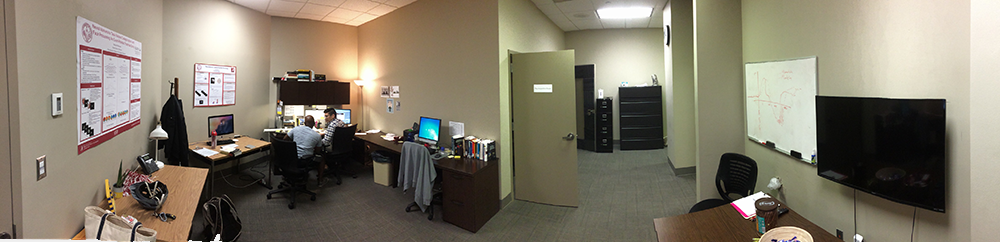
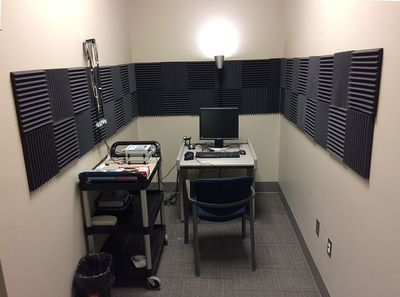
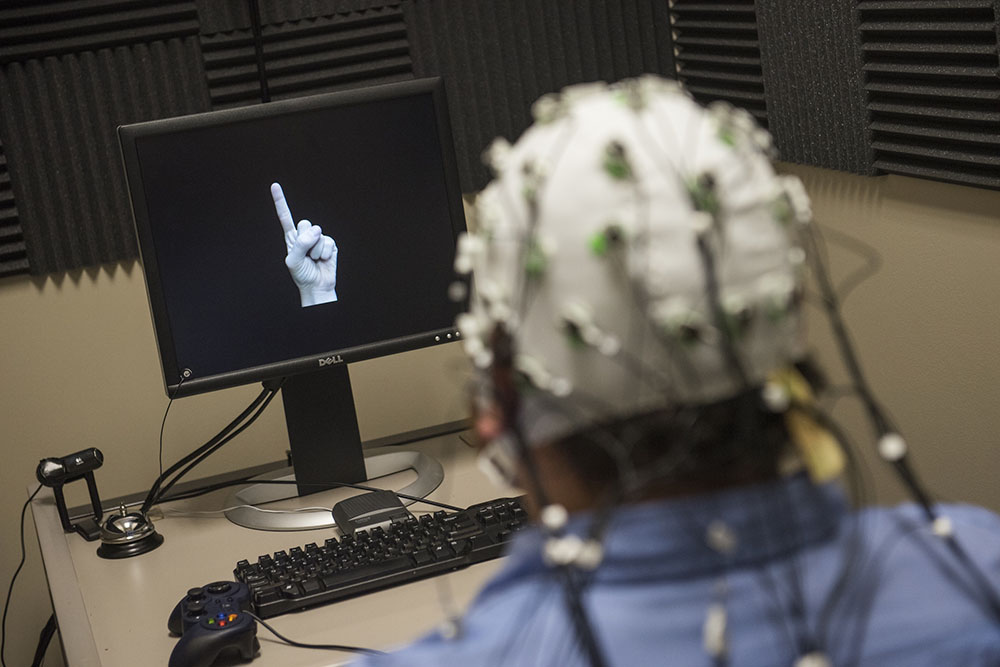
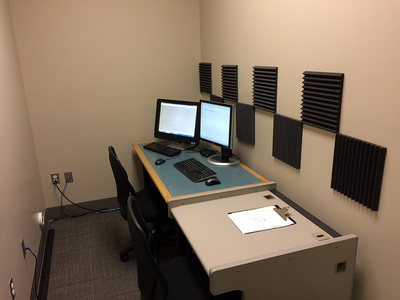
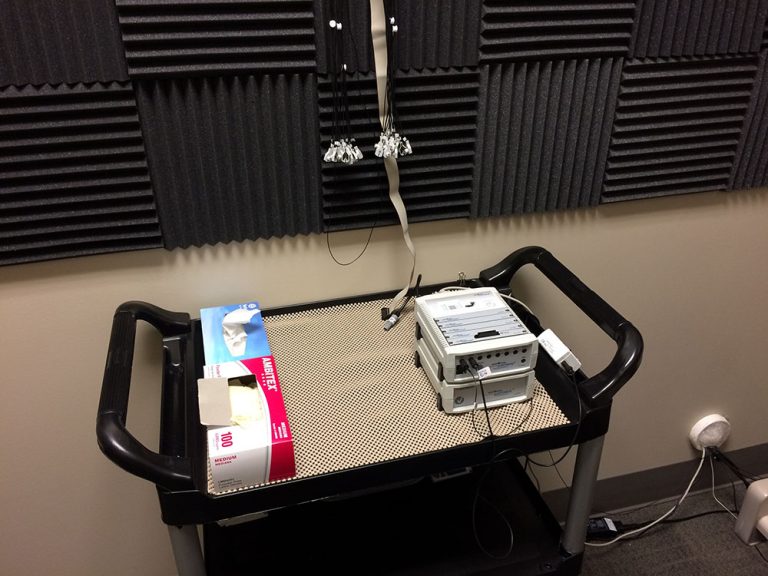
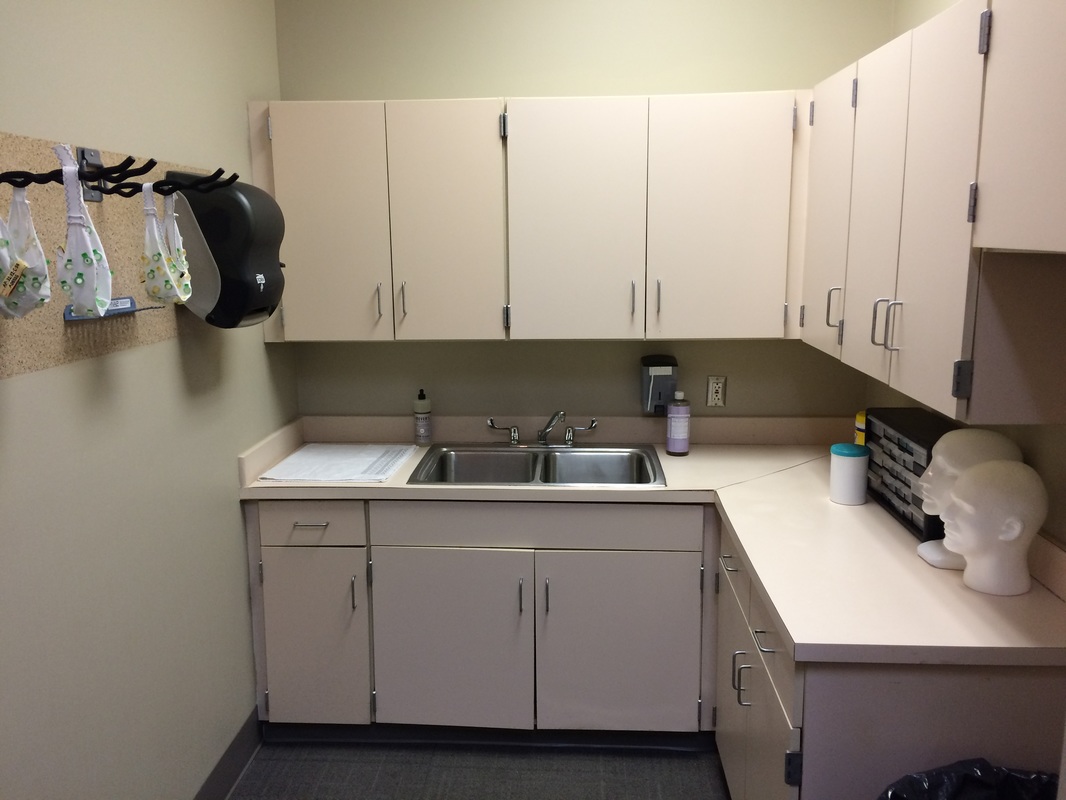
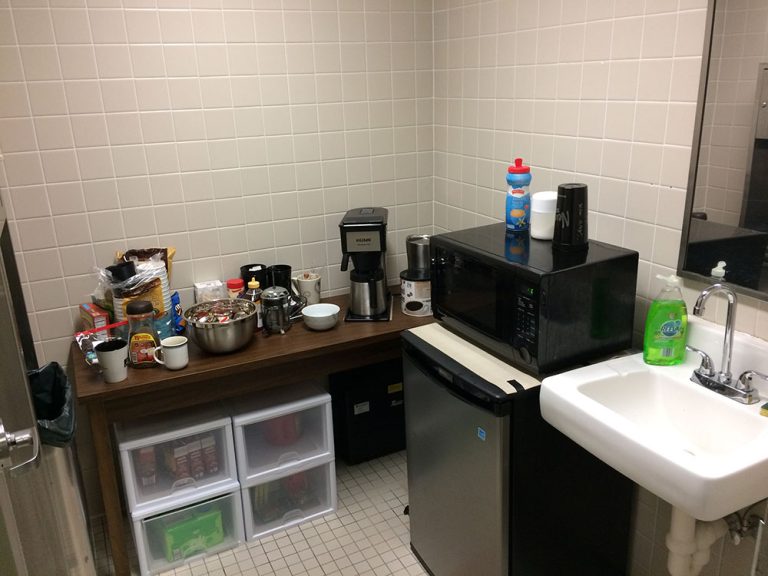
The ELDEN Lab includes dedicated spaces for EEG and behavioral data collection, real-time data monitoring, EEG electrode and cap maintenance, and participant support. The lab is equipped with a BrainVision ActiChamp EEG system, sound-attenuated experimental space, student work and meeting areas, and a kitchen for participants.
Equipment and Software
Below is a quick summary of the main equipment and software we use in our lab:
- EEG System: BrainVision ActiChamp 32 active electrode system (cap sizes from 50 to 62 cm)
- EEG Additional Components: StimTrak, EMG electrodes
- Input Devices: Logitech F310 game controller, foot pedals, microphones
- EEG Data Acquisition: BrainVision Recorder & PyCorder
- Stimulus Presentation: Neurobs Presentation
- Data Analysis: Matlab, Python, EEGLAB / ERPLAB, SPM12, R